GST Council Meeting Moved to October 8
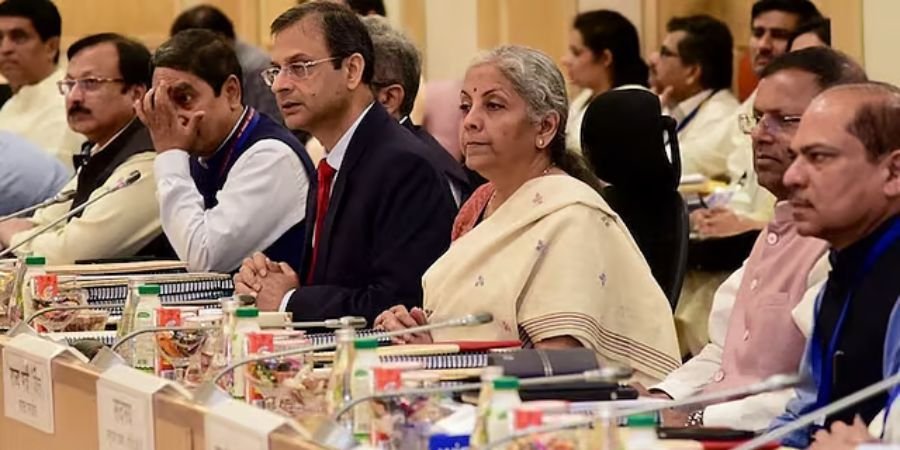
The 57th GST Council meeting has been rescheduled from October 7 to October 8 due to “unavoidable circumstances,” according to an office memorandum issued by the GST Council Secretariat on October 5. The meeting will begin at 11 am at the Summit Room of Bharat Mandapam in New Delhi.
The GST Council meeting is expected to address a range of proposed changes to the indirect tax framework, including enforcement and prosecution provisions. The discussions come as the government advances its next phase of GST reforms following the rate rationalisation implemented in 2025.
GST Council to Examine Enforcement Reforms
One of the key proposals expected to receive attention is the treatment of arrest powers under GST law. The proposed framework could remove the existing arrest authority of GST officers and require judicial authorisation before an arrest is made.
The Council is also expected to examine changes to prosecution provisions. One proposal would increase the threshold for initiating criminal proceedings from ₹1 crore to ₹5 crore, potentially limiting criminal action in lower-value cases.
Proposed Changes to GST Offences
The reform package could also modify the list of offences covered under GST prosecution provisions. Reports indicate that changes are being considered for 24 offences, with some offences potentially removed while others would continue under the existing framework.
Another proposal involves removing the minimum sentence requirement, giving courts greater discretion when dealing with cases that proceed to prosecution. The broader objective is to distinguish serious tax violations from routine commercial or compliance disputes.
Registration, Returns and Refunds Under Review
Beyond enforcement, the meeting is expected to consider procedural reforms involving GST registration, returns and refunds. Policy changes related to dispute resolution and the flow of input tax credit are also likely to feature in the discussions.
These measures are aimed at reducing compliance costs and addressing operational difficulties faced by businesses under the GST framework. Input tax credit remains a significant issue for companies dealing with mismatches between taxes paid on inputs and taxes applicable to finished goods.
Focus on Easier GST Compliance
The proposed changes are part of a wider effort to make GST administration more predictable while maintaining safeguards against tax evasion. Businesses, particularly those operating across multiple states and digital commerce channels, have sought simpler registration and compliance processes.
The Council may also consider measures affecting e-commerce suppliers and other taxpayers as part of the broader compliance overhaul. However, specific proposals remain subject to consideration and approval by the Council.
Rate Changes Not the Main Focus
The upcoming meeting is expected to focus primarily on procedural and enforcement reforms rather than another broad-based restructuring of GST rates. The Council had already undertaken major rate rationalisation in September 2025, reducing the earlier four-tier structure to a simpler framework.
With the meeting now scheduled for October 8, final decisions will depend on deliberations among the Centre and states. Any approved measures could influence tax administration, compliance requirements and dispute resolution for businesses and taxpayers across India.
Source used for factual reference: Business Today, October 5, 2026.