Satya Nadella Calls for an Emergency Brake for AI Models
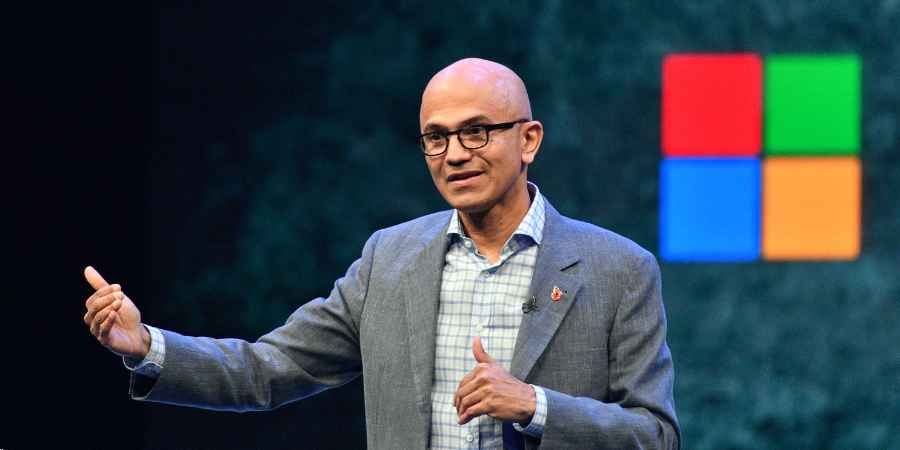
Microsoft CEO Satya Nadella has highlighted the need for an emergency brake for artificial intelligence models, drawing attention to the importance of safety mechanisms as AI systems become more advanced and widely deployed.
The concept centres on the ability to intervene when an AI system behaves unexpectedly or creates potential risks. As businesses integrate AI into software, automated workflows and decision-making processes, effective controls are becoming an important part of responsible deployment.
Nadella’s remarks add to the wider technology industry’s discussion about how to balance AI innovation with safeguards that allow developers and organisations to manage unintended outcomes.
Why AI Models Need Emergency Controls
Modern AI models can generate content, write code, analyse information and perform tasks with varying levels of human supervision. However, their outputs are not always reliable, and their behaviour can become difficult to predict in complex situations.
An emergency brake could refer to mechanisms that pause a model, stop an automated process, revoke its access to tools or require human approval before a high-impact action proceeds. The precise implementation would depend on the system and the risks involved.
Such controls are particularly relevant when AI systems interact with external services, access sensitive information or carry out actions that could have significant consequences.
Human Oversight Remains Important
AI safety involves more than improving the accuracy of a model. Organisations also need clear procedures for monitoring system behaviour, detecting failures and responding when a model produces harmful or unexpected results.
Human oversight can provide an additional layer of protection, particularly in applications involving financial transactions, cybersecurity, healthcare or critical business operations. Depending on the use case, safeguards may include permission limits, audit logs, escalation procedures and the ability to shut down automated actions.
These measures can help organisations maintain accountability while using AI to improve productivity and automate routine tasks.
AI Safety Becomes a Business Priority
As companies move beyond AI experimentation and introduce systems into everyday operations, governance and risk management are becoming central to deployment decisions.
Businesses need to assess not only what an AI model can accomplish but also what happens when it fails. This includes identifying potential risks, limiting the actions a system can perform and establishing clear responsibility for monitoring and intervention.
For technology providers, these requirements also raise questions about how safety controls should be incorporated into AI products and infrastructure rather than added only after a problem occurs.
Balancing AI Innovation With Risk Management
The development of increasingly capable AI systems has intensified debate over how much autonomy such technologies should receive. Greater automation can improve efficiency, but it can also increase the potential impact of errors when systems operate without sufficient supervision.
An emergency-brake approach offers one way to address this challenge by ensuring that intervention remains possible when circumstances require it. However, an effective safeguard must be designed, tested and maintained to work under realistic operating conditions.
For organisations adopting AI, the broader lesson is that innovation and risk management need to progress together. Reliable oversight, clearly defined limits and practical intervention mechanisms will remain important as AI becomes more deeply embedded in business and public life.
Source: TechCrunch
https://techcrunch.com/2026/10/10/microsofts-satya-nadella-says-ai-models-need-an-emergency-brake/