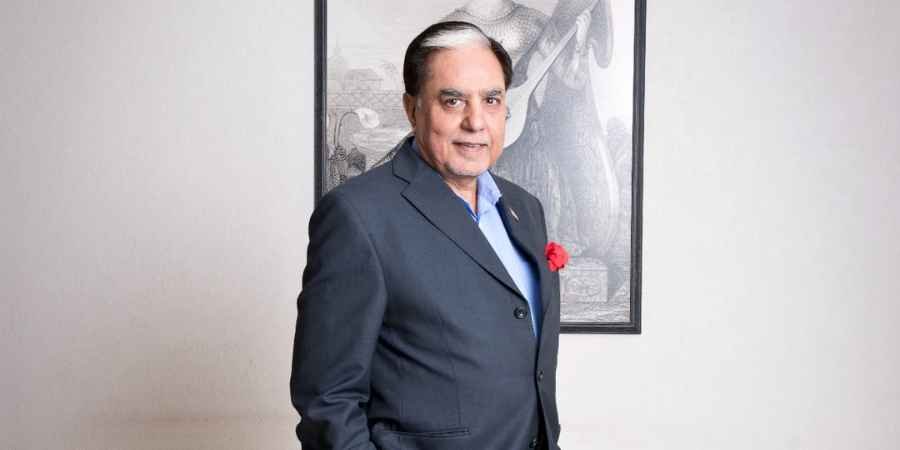
OpenAI has acquired Odessia, an artificial intelligence-powered travel startup founded by Francis Davidson, the entrepreneur behind accommodation company Sonder. The acquisition brings Davidson into OpenAI, where he will work on developing the future of travel experiences using artificial intelligence.
The financial terms of the acquisition have not been disclosed. The transaction appears to be primarily focused on bringing the startup’s founder and his expertise into OpenAI rather than continuing Odessia as an independent product.
Davidson announced the development publicly, confirming that he had joined OpenAI to contribute to its work in the travel sector.
OpenAI Acquisition Brings Travel Startup Founder Onboard
Odessia was established approximately a year before the acquisition and developed an AI travel agent designed to help users plan trips through artificial intelligence.
The startup raised $6 million in pre-seed funding led by Sequoia. Its AI-powered travel planning service launched approximately five months before the acquisition.
According to Davidson, the platform helped early users organise travel plans worth millions of dollars. However, following the acquisition, Odessia’s standalone service was shut down.
An OpenAI spokesperson confirmed Davidson’s appointment, describing him as an experienced entrepreneur who has built multiple businesses in the travel industry.
Francis Davidson Brings Sonder Experience to OpenAI
Davidson previously founded Sonder in 2014 while he was a college student. The company developed a hospitality model offering furnished apartments and accommodation in major cities, combining elements of traditional hotels and short-term rental platforms.
Sonder expanded internationally and eventually achieved unicorn status, reporting approximately $143 million in revenue before encountering significant financial difficulties.
The COVID-19 pandemic affected its business operations, while subsequent financial challenges limited its ability to recover. The company later went public through a special purpose acquisition company (SPAC).
Its situation deteriorated further after a key partnership with Marriott ended. Sonder subsequently entered bankruptcy proceedings and discontinued its operations.
Davidson stepped down as chief executive in June 2025. Despite the company’s eventual closure, his experience building and scaling a travel business provides relevant industry knowledge for his new role.
OpenAI Sees Opportunities in AI Travel Planning
The acquisition comes as AI-powered assistants are increasingly being used to support everyday activities, including travel research, itinerary development and trip planning.
OpenAI has already identified travel as a potential application for its AI services. When the company introduced ChatGPT Agent in July 2025, it highlighted travel planning among the tasks the technology could help users complete.
The company also works with travel-related businesses, including Booking.com, Expedia and KAYAK, through customer and partnership relationships.
An OpenAI spokesperson indicated that travel is a frequently requested area among chatbot users and highlighted the opportunity to make these experiences more useful through AI.
However, OpenAI has not announced any specific travel product or launch plans connected to the Odessia acquisition.
What the Odessia Acquisition Means for AI Development
Bringing Davidson into OpenAI could strengthen the company’s understanding of the travel industry, particularly in areas where artificial intelligence can simplify complex planning processes.
AI travel assistants have the potential to support users with destination research, accommodation comparisons, itinerary recommendations and other travel-related decisions.
Davidson’s background in building travel businesses, combined with OpenAI’s AI development capabilities, could provide a foundation for exploring these opportunities.
For now, the company’s future plans for travel-focused AI services remain undisclosed. The acquisition signals an additional area of interest for OpenAI, although any new products or services will depend on the company’s subsequent development decisions.
Source: TechCrunch